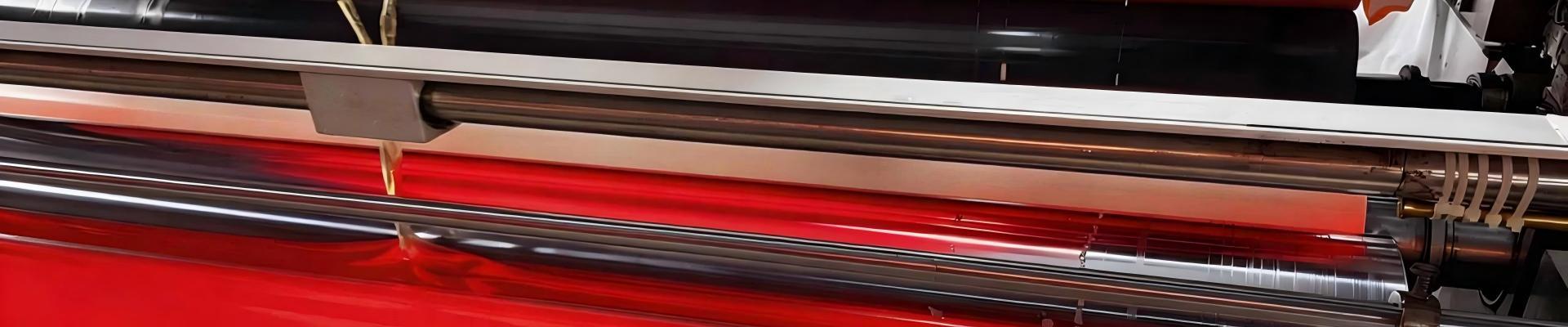
At 60 micrometers, high-density polyethylene (HDPE) film represents a carefully balanced point between flexibility and mechanical strength. Its molecular structure gives the material a low water-vapor transmission rate and strong resistance to acids, alkalis and solvents. Those properties have made the film a common choice in packaging, construction, agriculture and other industrial settings where moisture control and durability matter.
Material science foundation: core properties of HDPE film
In industrial materials, HDPE film is valued for its combination of mechanical performance and chemical stability. The 60-micrometer specification is particularly notable because it sits near an effective threshold: thin enough to remain flexible, yet thick enough to provide dependable tensile strength and barrier performance.
The material's most distinctive physical property is its very low water-vapor transmission rate. That barrier function makes it suitable for industrial and research applications that require strict moisture control. HDPE film also resists attack from many acids, alkalis and solvents, a characteristic that supports its use in demanding environments. The result is a material that is strong, relatively light and adaptable across packaging, construction and agriculture.
Applications across industries
The value of HDPE film lies in its adaptability. Different sectors use the same base material to meet distinct functional requirements, from food preservation to groundwater protection.
| Application area | Core functional requirement |
|---|---|
| Food packaging | Moisture and gas barrier; extended shelf life |
| Modern agriculture | Greenhouse and mulch cover; light and temperature regulation |
| Civil engineering | Impermeable liners and protective layers; groundwater protection |
| Industrial packaging | Moisture-resistant transport protection for dry goods |
In food packaging, the film helps limit moisture and gas exchange that can degrade products. In agriculture, it supports greenhouse and mulch applications by regulating light and temperature. Civil engineering uses the material as an impermeable liner or protective layer, while industrial packaging relies on its moisture resistance during transport and storage.
Technical advances: from base material to high-performance composites
Materials research has pushed HDPE film beyond its basic form. Controlled annealing and polymer blending are used to refine rheological performance and barrier efficiency. In agriculture, annealed film can be more durable and can help stabilize the growing environment. In advanced packaging, multilayer composite processes allow engineers to customize permeability for specific products and environmental requirements.
These techniques do not change the underlying advantage of HDPE: a practical balance of cost, strength and barrier performance. Instead, they expand the range of conditions in which 60-micrometer film can be used, including applications that demand tighter moisture control or greater resistance to weathering and mechanical stress.
Frequently Asked Questions
At 60 micrometers, high-density polyethylene (HDPE) film represents a carefully balanced point between flexibility and mechanical strength. Its molecular structure gives the material a low water-vapor transmission rate and strong resistance to acids, alkalis and solvents. Those properties have made the film a common choice in packaging, construction, agriculture and other industrial settings where moisture control and durability matter.
Material science foundation: core properties of HDPE film
In industrial materials, HDPE film is valued for its combination of mechanical performance and chemical stability. The 60-micrometer specification is particularly notable because it sits near an effective threshold: thin enough to remain flexible, yet thick enough to provide dependable tensile strength and barrier performance.
The material's most distinctive physical property is its very low water-vapor transmission rate. That barrier function makes it suitable for industrial and research applications that require strict moisture control. HDPE film also resists attack from many acids, alkalis and solvents, a characteristic that supports its use in demanding environments. The result is a material that is strong, relatively light and adaptable across packaging, construction and agriculture.
Applications across industries
The value of HDPE film lies in its adaptability. Different sectors use the same base material to meet distinct functional requirements, from food preservation to groundwater protection.
| Application area | Core functional requirement |
|---|---|
| Food packaging | Moisture and gas barrier; extended shelf life |
| Modern agriculture | Greenhouse and mulch cover; light and temperature regulation |
| Civil engineering | Impermeable liners and protective layers; groundwater protection |
| Industrial packaging | Moisture-resistant transport protection for dry goods |
In food packaging, the film helps limit moisture and gas exchange that can degrade products. In agriculture, it supports greenhouse and mulch applications by regulating light and temperature. Civil engineering uses the material as an impermeable liner or protective layer, while industrial packaging relies on its moisture resistance during transport and storage.
Technical advances: from base material to high-performance composites
Materials research has pushed HDPE film beyond its basic form. Controlled annealing and polymer blending are used to refine rheological performance and barrier efficiency. In agriculture, annealed film can be more durable and can help stabilize the growing environment. In advanced packaging, multilayer composite processes allow engineers to customize permeability for specific products and environmental requirements.
These techniques do not change the underlying advantage of HDPE: a practical balance of cost, strength and barrier performance. Instead, they expand the range of conditions in which 60-micrometer film can be used, including applications that demand tighter moisture control or greater resistance to weathering and mechanical stress.
Frequently Asked Questions